Why Do Breasts Sag?
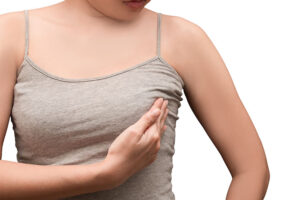 Breast sagging, medically known as ptosis, is a natural process that affects many women as they age, though it can occur at any stage in life for various reasons. Understanding the factors that contribute to breast sagging can help individuals approach this change with a better perspective and make informed choices about their health and lifestyle.
Firstly, the anatomy of the breast plays a significant role. Breasts are composed of fatty tissue, glandular tissue, and connective tissue, including the Cooper’s ligaments, which provide support. Over time, these ligaments can stretch and lose their elasticity, leading to a change in breast shape and firmness. This process is influenced by numerous factors:
Different Degrees of Ptosis
When surgeons evaluate breast sagging, they often classify the condition based on how far the nipple sits in relation to the inframammary fold, or the crease beneath the breast. This classification guides treatment recommendations and gives patients a clearer sense of the severity of their ptosis and which surgical approach may be most appropriate.
- Pseudoptosis: In this scenario, the nipple remains at or above the inframammary fold, but the lower portion of the breast tissue hangs below it.
- Grade I Ptosis: The nipple is approximately at the same level as the fold.
- Grade II Ptosis: Here, the nipple has descended below the inframammary crease but remains above the lowest point of the breast.
- Grade III Ptosis: The nipple sits well below the inframammary fold and is often at or near the lowest contour of the breast.
Understanding where you fall on this spectrum can be valuable when discussing your goals and treatment options with a board-certified plastic surgeon.
Factors That Can Worsen Ptosis
Breast ptosis can be influenced by numerous factors:
- Aging: As a woman ages, the skin loses its elasticity due to the decreased production of collagen and elastin, natural proteins that provide skin firmness. This reduction in skin elasticity affects the entire body, including the breasts, leading to a more pronounced sagging effect.
- Gravity: The force of gravity continuously acts on the breasts, pulling them downwards. The constant gravitational pull can stretch the skin and ligaments over time, especially if the breasts are larger and heavier (whether naturally or as a result of breast augmentation with implants).
- Hormonal Changes: Women experience significant hormonal fluctuations during pregnancy, breastfeeding, and menopause. During pregnancy and breastfeeding, the breasts enlarge and the ligaments stretch to accommodate milk production. Post-breastfeeding or after menopause, when hormone levels decline, the breasts may lose volume and support, contributing to sagging.
- Weight Fluctuations: Significant weight gain or loss can affect breast size and shape. Rapid weight loss can result in a loss of fatty tissue in the breasts, leaving excess skin that may appear saggy. Conversely, weight gain can increase the size and weight of the breasts, putting additional strain on the ligaments.
- Exercise Without Proper Support: High-impact activities and exercise without adequate support can put strain on the Cooper’s ligaments, leading to stretching and sagging. Wearing a supportive sports bra during exercise can help mitigate this risk.
- Smoking: Smoking contributes to skin aging and loss of elasticity by affecting the blood supply to the skin surface. This can exacerbate the sagging of breasts over time.
It’s important to note that while some factors contributing to breast sagging can be managed, such as maintaining a stable weight and wearing supportive bras, other factors, like aging and genetic predisposition, are beyond one’s control. Furthermore, while breast sagging is a natural part of the aging process, it can negatively impact a woman’s confidence.
How to Combat Ptosis
While breast sagging is a natural and often unavoidable part of aging, there are potential treatment options available for individuals who wish to restore a firmer, more elevated breast contour. The appropriate solution typically depends on the degree of ptosis, the amount of excess skin present, breast volume, and the patient’s personal aesthetic goals.
Dr. Cassidy Hinojosa offers surgical options such as breast lift and breast reduction to restore a more perky and youthful bustline. A breast lift is designed to reposition the breasts higher on the chest wall, reshape the underlying tissue, and elevate the nipple-areola complex to a more youthful location. Meanwhile, patients experiencing both sagging and excessive breast weight can benefit from a breast reduction, which aims to create a lighter, more proportionate breast size. Every breast reduction procedure inherently includes a lifting component, typically resulting in improved positioning and enhanced symmetry.
If you are interested in reducing ptosis, we encourage you to schedule your consultation with Dr. Hinojosa. She looks forward to working with you to create a personalized surgical plan.
Editor’s note: This blog was originally posted on April 8th, 2024.
