How to Choose the Right Breast Implants
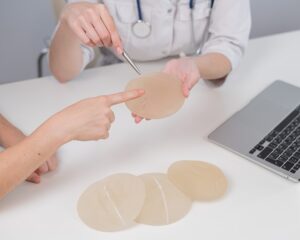 If you are considering breast augmentation, you should know that choosing the right implants is one of the most important parts of the journey. With a wide array of implant types, sizes, shapes, and placement techniques available, it is essential to make an informed decision that aligns with your anatomical proportions, lifestyle, and aesthetic wishes.
To guide patients through this process, board‑certified Corpus Christi plastic surgeon Cassidy Hinojosa, MD has compiled the following overview to explain the considerations involved in achieving beautifully proportionate results. In addition to breast augmentation patients, this outline can benefit patients who already have implants and are considering exchanging them as part of a breast revision procedure.
Consult With a Board-Certified Plastic Surgeon
The first and most important step in choosing breast implants is scheduling a consultation with a board‑certified plastic surgeon. An experienced provider will assess your anatomy, review your medical history, and discuss your personal goals to determine which implants may be best suited for you.
During your consultation, Dr. Hinojosa will take time to understand what motivates you to pursue breast augmentation and what kind of outcome you envision. She will explain how different implant types can influence the final result, as well as explain the benefits and considerations associated with each option. This one‑on‑one guidance is invaluable, as it supports a selection that prioritizes both your safety and long‑term satisfaction.
Understand the Types of Implants Available
Breast implants generally fall into two primary categories: saline and silicone. Saline implants are filled with sterile saltwater, known for their versatility, and often considered the most cost‑effective option. Silicone implants, on the other hand, are filled with a cohesive silicone gel designed to closely mimic the look and feel of natural breast tissue. Within this category, highly cohesive silicone gel implants—sometimes referred to as “gummy bear implants”— can provide additional structure and shape retention.
Dr. Hinojosa will review the pros and cons of each implant type during your consultation and help you determine which option aligns best with your desired outcome.
Consider Implant Size and Shape
While many patients focus on cup size, it is equally important to consider how implants will appear in proportion to your height, chest width, shoulder frame, and overall body shape. To give patients a realistic preview of potential outcomes, Dr. Hinojosa uses breast sizers during consultations. These allow you to try on different implant sizes and shapes in the office, offering a tangible sense of how each option may look under clothing. This hands-on approach empowers patients to make informed decisions and feel more confident in their selection. Dr. Hinojosa will also explain how implant shape can influence cleavage, upper pole fullness, and the overall contour of the breast.
Decide on an Implant Profile
Breast implant profile refers to how far the implant projects outward from the chest wall. Profiles range from low and moderate to high and extra‑high. Selecting the appropriate profile depends on your anatomy, implant size, and aesthetic preferences. Dr. Hinojosa will collaborate with you to assess how each profile complements your chest dimensions and contributes to a balanced, harmonious outcome.
Review Incision and Implant Placement Options
Another crucial component of breast augmentation is determining how and where the implants will be positioned. Breast implants can be inserted through a variety of incision sites; however, Dr. Hinojosa typically favors the inframammary approach, which involves placing the incision along the crease beneath the breast. This method not only enables highly precise implant placement, but also accommodates all implant types and tends to keep scars discreet and well‑concealed within the breast fold.
In addition to incision placement, patients will need to consider implant positioning relative to the chest muscle. Dr. Hinojosa most often recommends the dual‑plane submuscular technique, in which the implant is placed partially beneath both the pectoral muscle and breast tissue. This approach can yield a more natural breast contour, allow for clearer mammogram imaging, and potentially reduce the risk of complications such as capsular contracture (a condition in which scar tissue tightens around the implant).
Choosing the right breast implants is a significant decision that should be made after careful consideration and consultation with a qualified plastic surgeon. With expert guidance, clear communication, and careful planning, you should feel confident that your implant selection supports both your aesthetic vision and your long‑term well‑being.
To learn more about breast implants or schedule a consultation with Dr. Hinojosa, please contact Coastal Cosmetic and Plastic Surgery Center today!
Editor’s note: This blog was originally posted on October 12th, 2023.
